Warehouse Rodent Control
Lee's Summit Warehouses
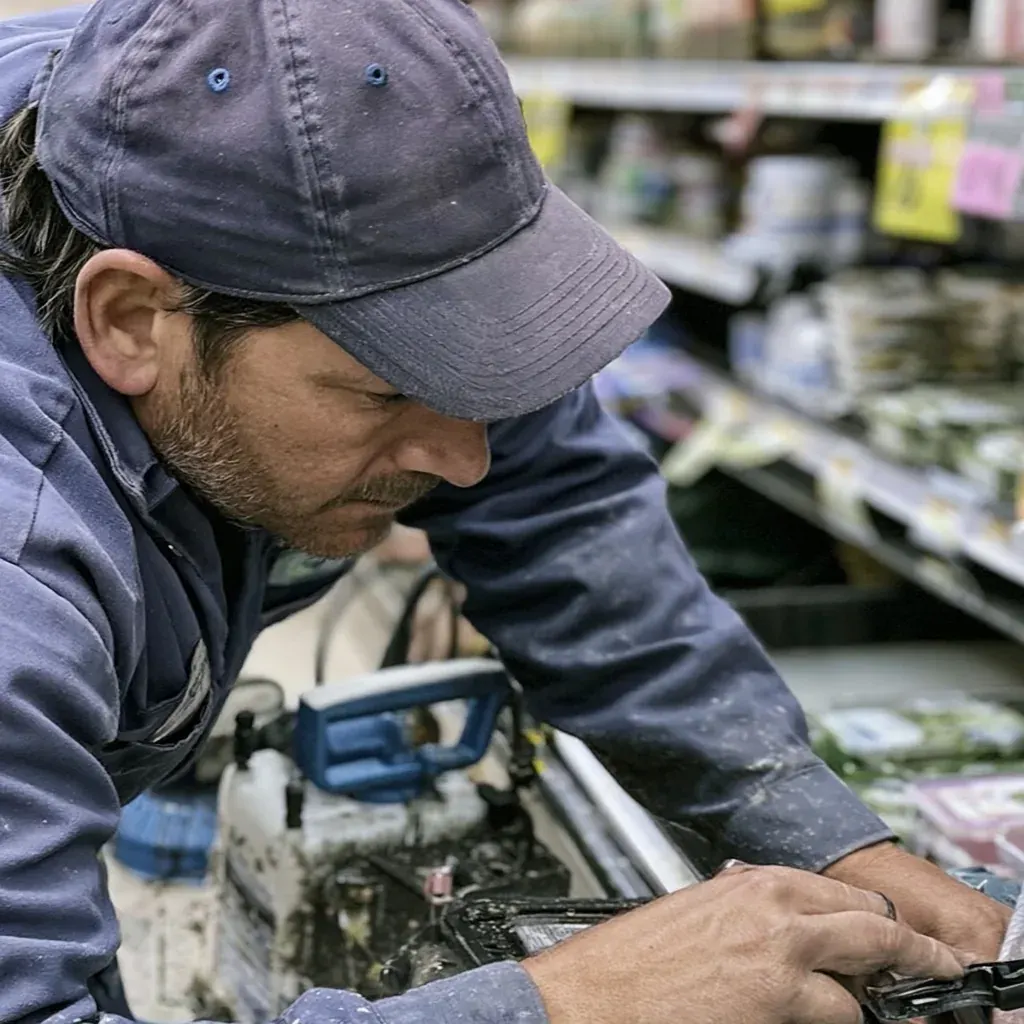
Coordinate retail rodent control by store address, protecting merchandise while planning around customer activity and receiving schedules.
Retail stores can document signs by address and department, protect nearby merchandise under store procedures, and coordinate service access with customer hours and deliveries. The pros we connect you with can discuss site-specific control and follow-up steps.
For retail rodent control in Lee's Summit, start by treating each store address as part of one operating picture. A sign near a sales display may connect to activity in a stockroom, receiving area, or service corridor, so note where it appears and when staff found it. If you manage several locations, use the same department names and reporting format at each one. That gives the pros we connect you with a clearer basis for comparing site needs while keeping each store’s specific conditions in view.
Mice in retail stores can move through wall voids, utility openings, and spaces behind fixtures, making the visible sign only one part of the picture. In Lee's Summit, note whether activity was seen on the sales floor, near a stockroom threshold, or by a receiving door. Do not handle droppings or sweep them into the air; keep people away from the immediate area and follow your store’s cleanup procedure. The location and type of sign help direct attention without assuming every department shares the same route.
Store rodent prevention depends on how goods, staff, and customers move through each address. In Lee's Summit, compare the routines at stores near State Route 2 with those closer to Longview Lake only if those are actual locations you manage; the landmarks do not predict rodent activity. Look at when deliveries enter, where cartons wait, and which doors stay open during restocking. Those operating details help shape practical controls while food, where sold, stays sealed and accessible crumbs are removed.
Customer access sets limits on where control devices can go and when work can happen. For a Lee's Summit sales floor, identify aisles, fitting or service areas, and fixtures that staff or customers reach throughout the day. Ask the pros we connect you with to explain device locations and how checks will be handled, then share that information with the manager on duty. Keep devices out of reach and follow product directions and provider precautions. If a placement would interfere with normal use of a space, flag it before service begins.
When staff find a concern in Lee's Summit, identify the affected department and isolate any merchandise your store procedures say should be held. Record damaged packaging without moving it unnecessarily, and note nearby shelves or displays so the right manager can decide what to do next. A shared process across addresses can prevent one location from releasing items before its review is complete. The service record should show which areas were discussed and what follow-up belongs to store staff, without replacing the retailer’s own handling rules.
| Sign | Department | Site note |
|---|---|---|
| Merchandise floor | Keep affected displays out of handling until assessed | Department, item type, and sighting point |
| Receiving access | Leave wall edges and shelving reachable | Shelf row and package condition |
| Food aisle | Separate exposed goods from saleable stock | Product category and handling steps |
| Receiving bay | Set access around unloading periods | Delivery window and door restrictions |
| Staff room | Keep stored meals closed and surfaces clean | Food storage and cleanup notes |
| Fixture bases | Clear movable units for inspection access | Fixture position and signs found |
| Public entrance | Arrange visits around customer traffic | Opening hours and access contact |
| Site file | Keep findings attached to the correct address | Store address and landmark cue, such as Central Park or Grounds Park |
Receiving doors can briefly connect the outside with the back room while goods are unloaded. For each Lee's Summit address, write down delivery windows, the doors used, and any periods when carts or pallets block access. A store near Woods Chapel Park may have a different route and unloading routine from another branch, but the landmark itself says nothing about rodent conditions. These notes help schedule access and focus attention on the transitions staff actually use, rather than treating every back room as interchangeable.
Store hours determine who can open restricted areas and whether service can take place while customers are present. In Lee's Summit, name the manager or keyholder for each address, list areas that require staff escort, and note times when deliveries or restocking make a room unavailable. If a location operates on a different schedule from the others, record that separately in the shared scope. This lets the pros we connect you with coordinate access without leaving employees unsure who is responsible for the visit.
Food handling needs its own note wherever a Lee's Summit retailer prepares or sells food. Describe storage practices, cleanup responsibilities, and any work areas that must remain available to staff. That allows the service plan to account for the store’s procedures and product-label precautions; it does not mean every retail address needs the same controls. For sites without food handling, record that distinction too, so staff do not carry assumptions from one branch into another.
Devices address activity where it is found; closing access gaps can reduce routes into a building. At a Lee's Summit store, note openings around doors, pipes, or utility lines for review, especially where back-room and sales-floor spaces meet. A control plan may combine trapping or baiting with sealing and prevention steps, depending on findings and provider approach. Ask what work is proposed at each address and how it relates to the signs there, so one store’s setup is not copied without a reason.
A shared location map can show how spaces connect without treating every sighting as the same problem. For Lee's Summit, mark departments, receiving doors, utility areas, and staff-only rooms at each store, then add dated observations beside the relevant area. Use the same map labels across addresses where layouts allow, while keeping branch-specific differences visible. This gives managers a practical way to compare reports and helps the pros we connect you with understand where staff believe movement may occur.
Keep one record for the Lee's Summit program with a separate entry for each address. Include dates, departments checked, signs reported, device concerns, actions taken, and any access restriction that delayed a check. A consistent log helps managers see whether observations continue at one branch or appear in a different area, and follow-up can show whether devices need attention. The timing should match the service plan. Store records should remain clear enough for another shift or manager to understand what happened.
Give employees at every Lee's Summit location one clear route for reporting signs, such as the manager on duty or a designated operations contact. Ask staff to include the department, exact area, date, and whether merchandise or a customer route was nearby. If a report comes in after a shift change, the next person should be able to add context without guessing. A common process across addresses makes reports easier to compare while keeping responsibility for each store with its assigned manager.
The cost of a rodent inspection for Lee's Summit retail locations can vary with the number of addresses, areas needing attention, access arrangements, and delivery or operating constraints. A single scope across stores can organize the work, but each site still needs its own conditions considered. Share which departments have reports, where damaged packaging was noted, and whether staff can provide access during normal service windows. No city landmark or postal area alone establishes the work required at a particular store.
Before arranging a site assessment in Lee's Summit, gather the affected departments, sightings, damaged-packaging notes, and any limits on deliveries or access. Add each store address, a simple layout, operating hours, and the manager who can answer questions for that location. If branches have different routines, mark those differences instead of sending one generic schedule. This gives the pros we connect you with a useful starting point for discussing a coordinated scope and the next steps for each store.
When a retailer has several Lee's Summit addresses, one shared scope can make reports easier to compare while leaving room for each store’s layout and hours. Start with a separate address record for every site, then note the departments, signs, damaged packaging, delivery windows, and access limits there. The pros we connect you with can use that picture to discuss which spaces need attention and how visits fit store operations. Keep customer routes clear and pause activity near a safety concern until you have guidance. Review follow-up notes by address so one store’s conditions are not assumed to match another’s.
Use the communities below to check residential rodent-service coverage across Jackson and ask whether the pros we connect you with handle household inspection or control, includingIndependence, Grandview and Greenwood. Check whether the service covers both the initial assessment and any return work, and whether distance affects the charge.
For a distribution building, the estimate may be set for each service call and adjusted for floor area and the planned schedule; $80–$175 provides a guide. Stock density, loading activity, inspection access, device placement, and whether gaps need closure can change the work included.For a business in Lee's Summit, inspected floor area, access, and device locations shape the supply and labor list, which affects the quote. When calling the pros we connect you with, describe the building's use, trouble spots, access limits, and whether you want sealing or return checks considered.The complete rodent-control bands appear in pricing guide, while commercial overview describes the structure of a scheduled program.
Lee's Summit Warehouses
Main Street • Longview Lake
Office Rodent Control
Keep customers and staff clear of an area that may present a safety concern, and pause handling nearby merchandise until you have guidance. Note the department, precise location, sighting, and any affected packaging. Follow your store’s procedures for the merchandise, then share the details with the pros we connect you with. A report near Downtown Lee's Summit should remain tied to that store’s address and department in your records.
Share public hours, receiving windows, and times when staff need access to stock areas before setting a visit. This lets the pros we connect you with discuss access around customer traffic and deliveries. If a loading area is occupied, note the constraint and any workable window. Store schedules vary, so use the operating plan for each Lee's Summit address rather than assuming the same visit timing fits every site.
Write down the store address, department, exact location, date, and what staff observed. Add whether packaging was affected, who reported the sign, and any delivery or access constraint that shaped what could be checked. Keep the entry factual; a sighting alone does not establish how far activity extends. If staff use a local reference such as Woods Chapel Park to distinguish a site, retain the street address as well.
Keep a separate service record for each address, with the departments discussed, access plan, visit notes, and any directions staff need to follow. A shared format helps managers review patterns across locations, while site-specific notes prevent one store’s layout or schedule from being applied to another. Record who received each update and pass relevant instructions to the staff responsible for that location.
For a Lee's Summit site assessment, gather each address, affected departments, packaging concerns, sightings, and delivery or access constraints.
Call (816) 586-5803