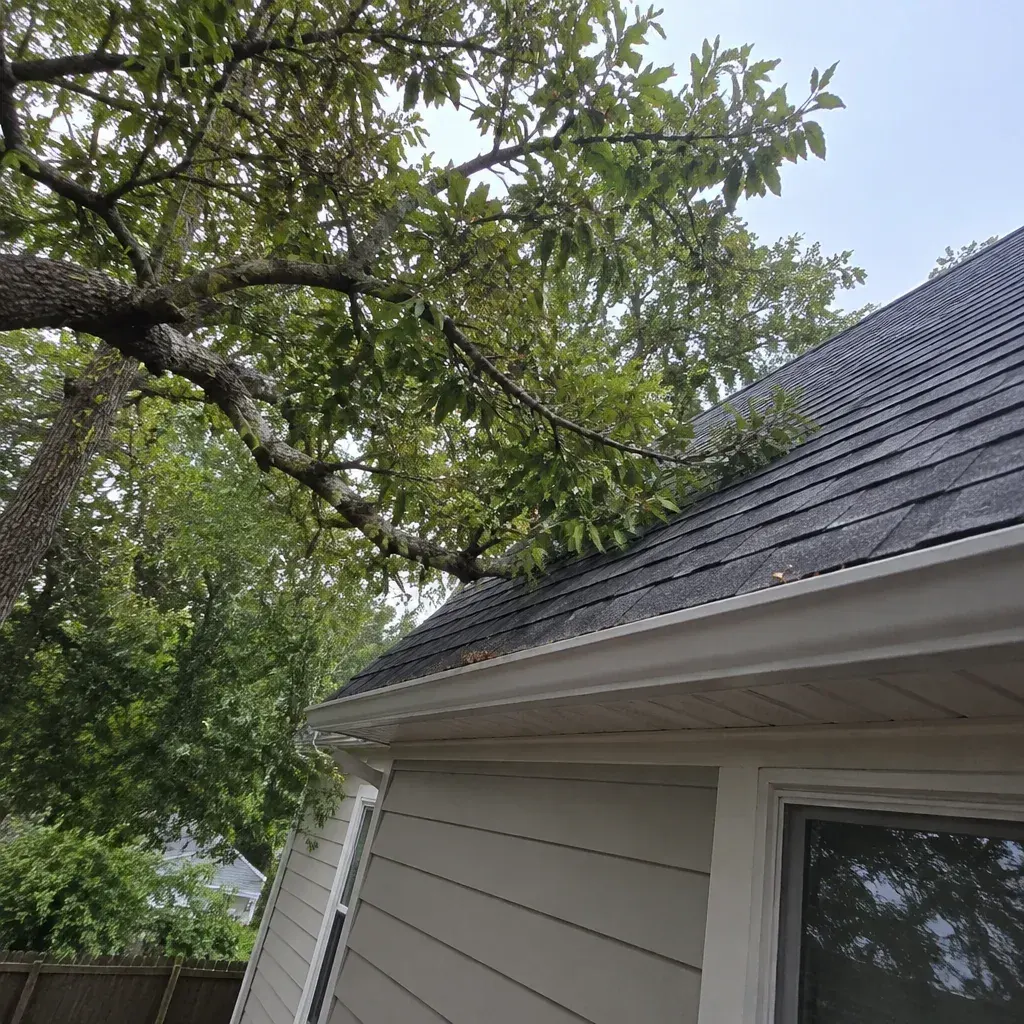
Rodents in Sheds
Use an ordered shed check in Lee's Summit to spot rat or mouse signs, review stored supplies and possible access, and decide when continued activity calls for an inspection.
Read article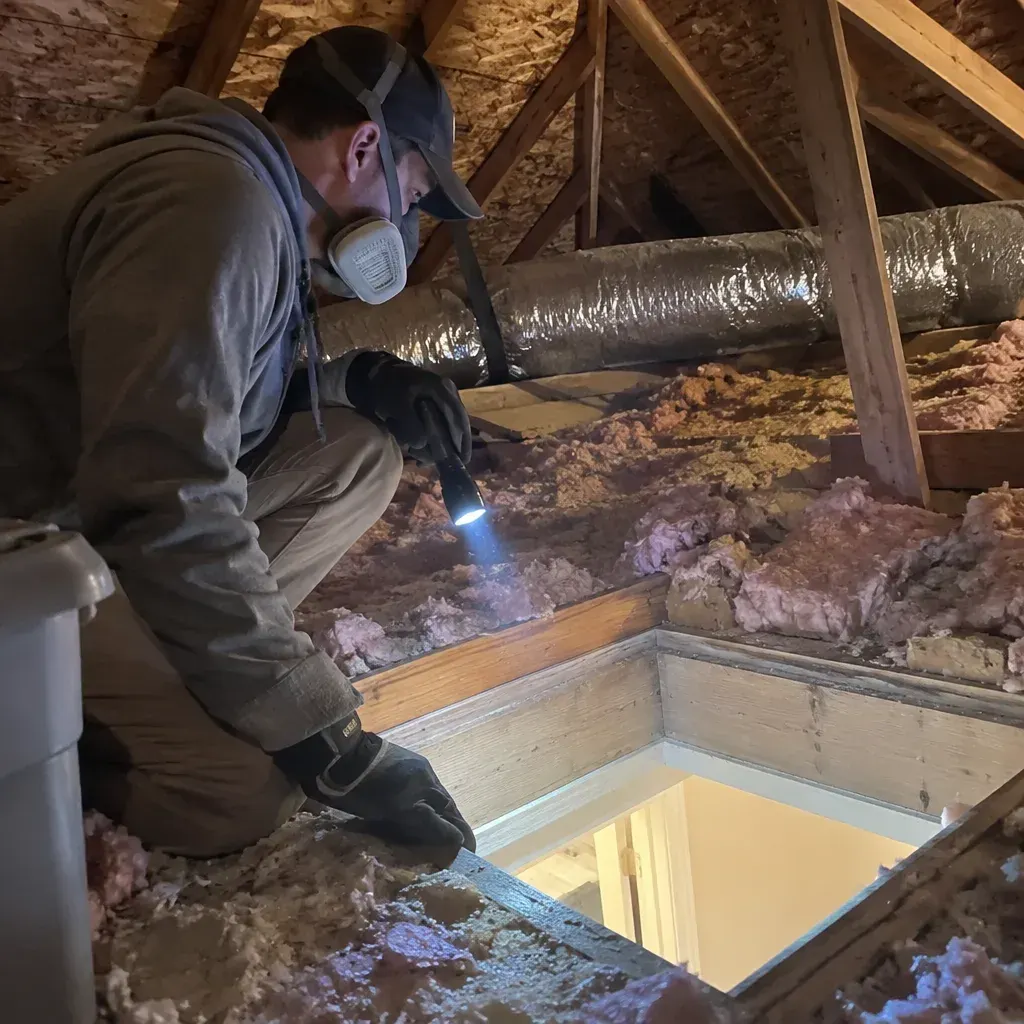
Use these guides to turn an observation into a useful next step: note the room, the material affected, and what was nearby before moving anything. A home near Downtown Lee's Summit, along Main Street, or closer to Longview Lake still needs its own assessment; landmarks do not explain what is happening indoors. The pages connect signs with possible routes into a building and show how food storage, inspection findings, and control choices fit together, so you can decide what to ask a service provider.
A cluster of signs can offer a clearer picture than any single trace on its own. Droppings, chewed edges, nesting scraps, or sounds can point to activity; note the room and nearby food or stored items, since an inspection can help interpret the evidence. Avoid raising dust if you clean a contaminated spot. A narrow space around a pipe, door, or foundation may provide access, and an inspection can look for possible routes inside.
Ask whether any opening cannot be sealed and what other step could address that route. In Lee's Summit, findings may guide a plan using traps or bait, access sealing, and follow-up checks; bait must follow its label, with children and pets kept away as directed. Before work starts, ask: What finding supports each step, where will devices sit, and how will a later check show whether the plan needs adjustment?
Use an ordered shed check in Lee's Summit to spot rat or mouse signs, review stored supplies and possible access, and decide when continued activity calls for an inspection.
Read article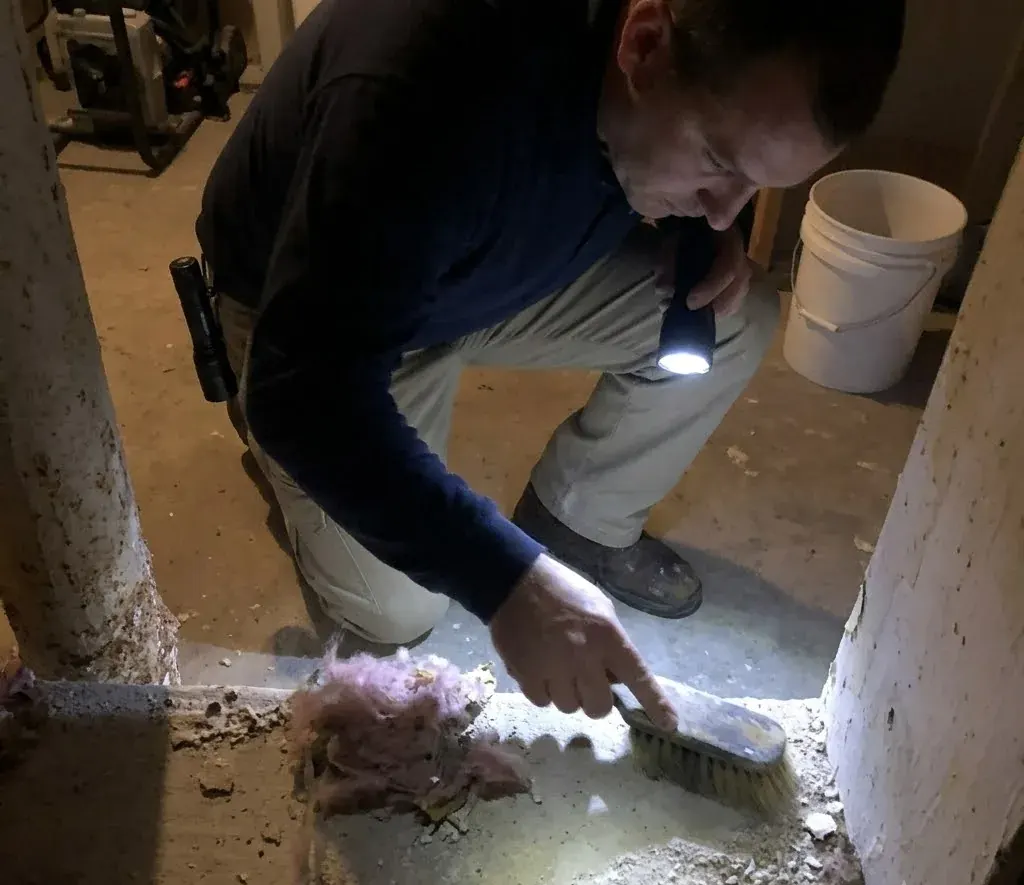
Basement clues can show where rodents travel and where an opening may let them in. Learn what to leave alone, record, and ask about in Lee's Summit.
Read articleOne mouse is a clue, not a headcount. Learn how repeated sightings, fresh signs, food access, and hidden storage help Lee's Summit homeowners decide what to do next.
Read article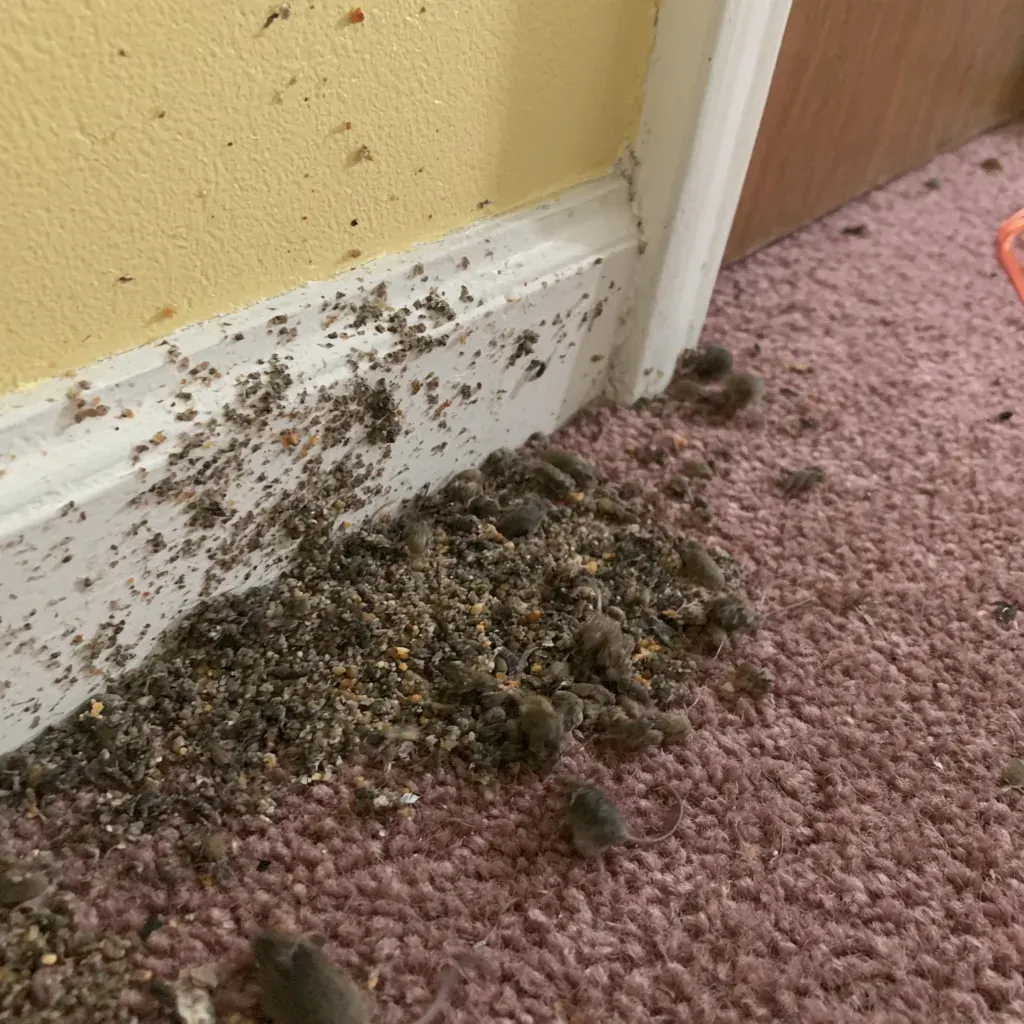
Use a safe, ordered check of body size, tail, droppings, and activity clues to judge whether a Lee's Summit sighting was a rat or mouse.
Read articleNo individual writer is identified for these guides. They explain rodent-control concepts using inspection practices and service-provider guidance, with product directions relevant when bait is involved. References to Grounds Park or Rotary Park give the page local context; they do not mean rodent activity has been found there or nearby. For your Lee's Summit property, the pros we connect you with can explain what their own inspection finds.
These guides draw on rodent-control practice: observations help direct an inspection, and the findings shape possible next steps. A professional can look for travel paths and openings, then explain whether traps, bait stations, sealing, or follow-up checks fit the situation. For Lee's Summit readers, Recreation Park Pond, T.B. Hanna Station, and Hawk Ridge Park are local reference points; their names do not indicate rodent conditions there.
No. Naming Lee's Summit does not establish what is happening at your address, and the available information does not show rodent rates by ZIP code or neighborhood. A property's signs and possible access routes need to be assessed on site; conditions can differ from one building to another. Local references such as Grounds Park, Rotary Park, and Longview Lake help orient the page, but cannot tell you whether rodents are present in your home.
A guide can help you prepare observations, but it cannot inspect a Lee's Summit property. Write down where signs appeared, whether they recur, and whether food or stored items are nearby. Avoid stirring up dust if droppings need cleaning, since contaminated material can carry germs. Avoid sealing a suspected opening before the inspection can assess where it leads. Ask what the inspection includes before scheduling. Around Downtown Lee's Summit, as elsewhere, the address and evidence matter more than assumptions about the area.
Call (816) 586-5803