Warehouse Rodent Control
Lee's Summit Warehouses
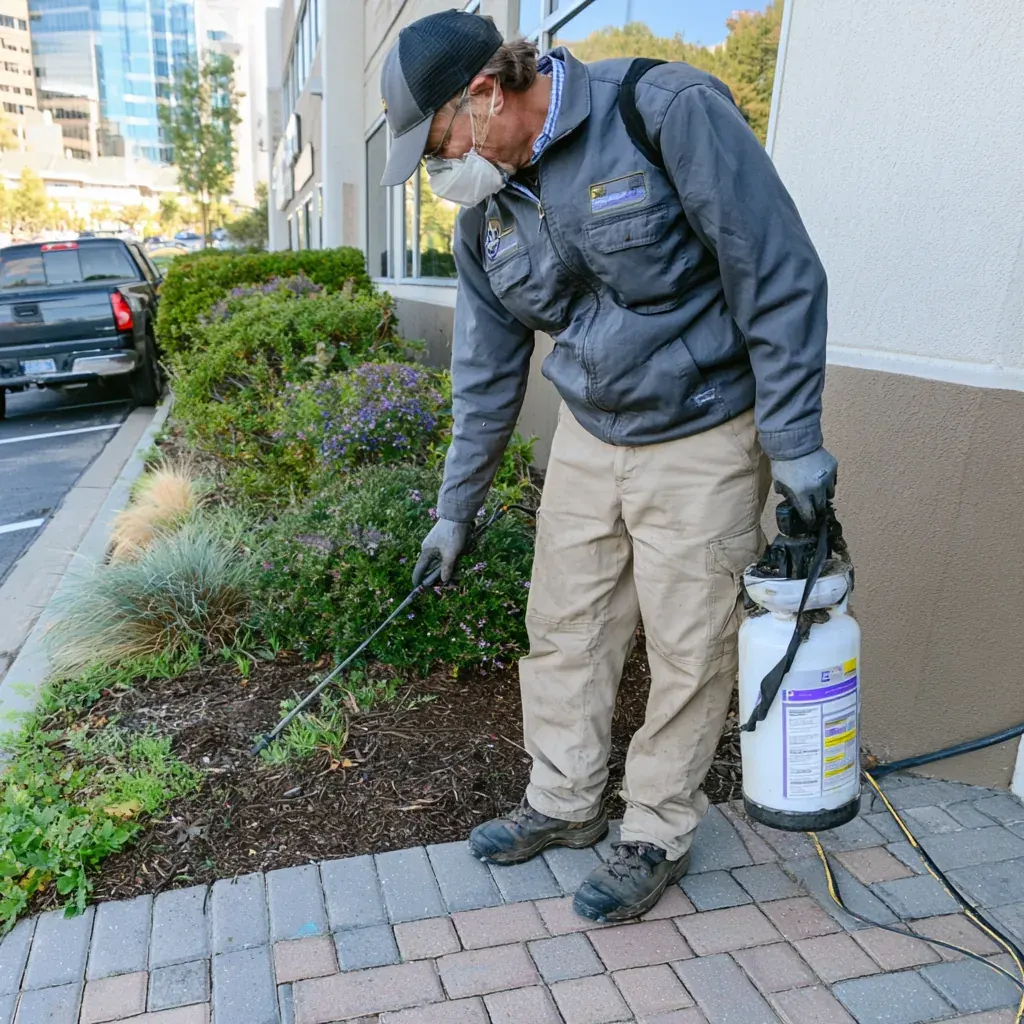
Clear office records help you coordinate access, schedule visits, and follow changes in reported rodent activity.
Offices can reduce disruption by sharing where activity was reported, who can arrange room access, and which hours or spaces must stay available. Keep dated service notes by location and use one staff contact to coordinate updates and follow-up.
Office rodent control works best when its records help you plan around the people using the building. In Lee's Summit, start by noting where staff have seen activity, when it was reported, and which rooms need to stay available during business hours. That gives the pros we connect you with a practical basis for a rodent inspection. Include who can arrange entry and any quiet periods or visitor schedules that affect access. A clear starting record can limit interruptions and give later service notes something specific to track.
A record should connect an observation to the work area and the business routine around it. If a report comes from a breakroom, note whether food is stored there; if it comes from a supply room, record what is kept inside and who can open it. For an office near Main Street, those details can help distinguish a recurring concern from a one-time report. Mice in office buildings may be noticed in different rooms, so keep each report tied to its actual location.
For offices with more than one location, keep each site's history separate while using the same basic reporting method. A record for an office near State Route 2 should not be combined with notes from another address; different access rules and work hours can affect what service is practical. Give each site a local contact, then identify who coordinates records across the organization. That structure lets you compare recurring reports without assuming conditions at one workplace explain activity at another.
Begin the service history with what the employee noticed, not a conclusion about the cause. Record the date, room or floor, and whether the report describes droppings, gnaw marks, or a sound. In Lee's Summit, a consistent format helps you see whether reports cluster in one area or appear in separate parts of the office. Keep the original observation distinct from any later assessment or recommendation. That makes it easier to follow what changed and what still needs attention.
Access notes belong alongside the activity report because they affect which areas can be addressed during a visit. List the person who can open a locked room, any check-in steps, and the hours when staff or visitors use that space. If an office near Longview Lake has a room that is available only outside busy periods, put that limit in its record. The pros we connect you with can use those details to discuss scheduling before work begins.
| Office area | Access times | Signs seen |
|---|---|---|
| Site identifier | Building, floor, or room; landmark if useful | Keep each entry tied to its Lee's Summit site |
| Reported sign | What was seen and its exact area | Distinguish new observations from earlier reports |
| Report time | When the observation was made | Relate reports to office routines |
| Room purpose | Food, storage, utility, or desk use | Note functions that affect access or scheduling |
| Room access coordination | Person who can open restricted rooms | Record who arranged access |
| Local reference | Central Park or Railroad Lake, if applicable | Use only when it clarifies the site location |
| Visit summary | Areas reviewed and findings shared | Carry useful details into the next visit |
| Pending item | Agreed task and current progress | See what still needs attention |
Food and storage notes can help explain why a report keeps returning to the same part of an office. Record whether food is stored in a break area, whether supplies are kept in cartons, and whether crumbs or waste are routinely cleared. In Lee's Summit, these details give follow-up notes useful context without treating housekeeping as the only answer. Sealed food storage and cleanup can reduce accessible food, while a separate record of building access concerns keeps those issues visible too.
Utility spaces often have different access arrangements from occupied work areas. Note which person can provide entry, whether equipment or stored materials limit the route, and when the room can be made available. These facts help the service record explain why a particular area was or was not addressed on a scheduled visit. If access changes later, update the record instead of relying on an old instruction. That keeps coordination practical when staff responsibilities or room use shift.
Operating hours shape the service window and the notice employees need. Record when visitor traffic is highest, which rooms are in use throughout the day, and when a quieter period is available. For an office near Recreation Park, the useful detail is the workplace schedule, not an assumption about nearby activity. The pros we connect you with can discuss timing around those limits. Keep the agreed window with the service notes so staff know what access to expect.
Employee reports become easier to compare when everyone uses one route to submit them. Choose a contact or shared reporting channel, then ask staff to include the room, time, and what they observed. In Lee's Summit, this can keep separate accounts from becoming scattered across emails or verbal updates. The person coordinating reports can add each observation to the record and flag repeat locations for discussion. Staff should report what they saw without trying to identify the source themselves.
Before a scheduled visit, tell affected employees which areas may need access, when the visit is expected, and whom to contact with new information. A short notice can prevent a room from being locked or occupied when it needs attention. Keep a copy with the service record, then note any changes to the plan. For commercial office rodents, clear communication helps the work fit around daily operations and gives staff a way to share relevant observations afterward.
The service history is most useful when each observation can be read beside the response to it. Keep recommendations, completed actions, and later reports under the same site and area, with dates that show their order. That sequence can reveal whether activity was reported again after a step was taken or whether the concern moved to another room. Do not merge separate offices into one timeline. A record should make the work easier to review, not obscure which site each note describes.
Follow-up notes should say what was revisited, what staff have reported since the prior contact, and whether another check was recommended. In Lee's Summit, the timing depends on the service plan, so ask the provider what follow-up is proposed and keep that answer with the record. If activity continues, the notes can support a discussion about adjusting the plan. If no new report comes in, record that too; silence should not be mistaken for a confirmed outcome.
When several offices share a coordinator, give each location a person who can arrange entry and confirm local operating limits. The central contact can maintain the overall history, while site contacts verify that reports and scheduling details are current. This helps an organization compare records without losing the conditions that apply to an individual workplace. Update the contact list when responsibilities change. A service note sent to someone who no longer manages access can delay coordination and leave the record incomplete.
Before requesting a rodent inspection, gather the reported areas, the staff contact who can arrange access, and any hours or rooms that cannot be disrupted. Add relevant notes about food, storage, or utility spaces, then ask how observations and follow-up recommendations will be recorded. In Lee's Summit, this gives the pros we connect you with a clear starting picture without assuming every office needs the same plan. Ask who will receive later updates and how recurring reports should be added to the service history.
In Lee's Summit, office rodent control works best when activity reports and service records give staff a clear picture of what changed, without interrupting normal work more than needed. A useful log links a sighting to its room, date, and later follow-up. That record can help the facilities contact decide which areas need access arranged and when a visit fits operations. Food, storage, and utility rooms may have different access rules, so note who can open them. Note any change in room access before the next review.
Rodent-control steps depend on what an inspection finds; use these Jackson community links to see where you can ask the pros we connect you with about residential service, includingBlue Springs, Independence and Grandview. Find out whether monitoring after the first visit is included, and what added visit or travel fees may apply.
A food-service business is often quoted by appointment, with building size and planned visit frequency shaping the amount; $80–$175 is a guide. Ask whether the review covers storage and refuse areas, what control devices are proposed, whether access gaps are addressed, and how later monitoring is handled.For a business in Lee's Summit, inspected floor area, access, and device locations shape the supply and labor list, which affects the quote. When calling the pros we connect you with, describe the building's use, trouble spots, access limits, and whether you want sealing or return checks considered.The complete rodent-control bands appear in pricing guide, while commercial overview describes the structure of a scheduled program.
Lee's Summit Warehouses
Main Street • Longview Lake
Lee's Summit Restaurant Service
Keep a separate record for each Lee's Summit office. Write down the date, room, what was noticed, and whether it was reported by staff or a visitor. Add the service date, areas reached, work completed, and any follow-up advice. This makes it easier to compare later reports with earlier findings and see whether activity is appearing in a new area or returning to one already noted.
Often, yes, if the provider can work within the office's access rules and available hours. Tell them when employees and visitors are present, which rooms must remain in use, and when a facilities contact can provide entry. For an office near U.S. Highway 169, for example, plan around its own schedule rather than assuming another location has the same quiet periods. Confirm the visit window and any rooms that need a separate arrangement.
Give employees one simple route, such as a facilities contact or work request. Ask them to include the room, date, and what they observed, then have the contact pass relevant updates to the provider. Keep reports factual and avoid asking staff to investigate. At an office near Woods Chapel Park, consistent room names can help match a new report to the right entry in that building's record.
The cost of a rodent inspection can vary with the office layout, how many areas need to be reached, and the access arrangements involved. Food, storage, and utility spaces may require coordination with different staff. If an office near Longview Lake has rooms that are unavailable during occupied hours, share those limits when requesting an assessment so the scope and scheduling needs can be discussed.
Before requesting an office assessment, note activity locations, access contacts, and hours or rooms that must remain available.
Call (816) 586-5803