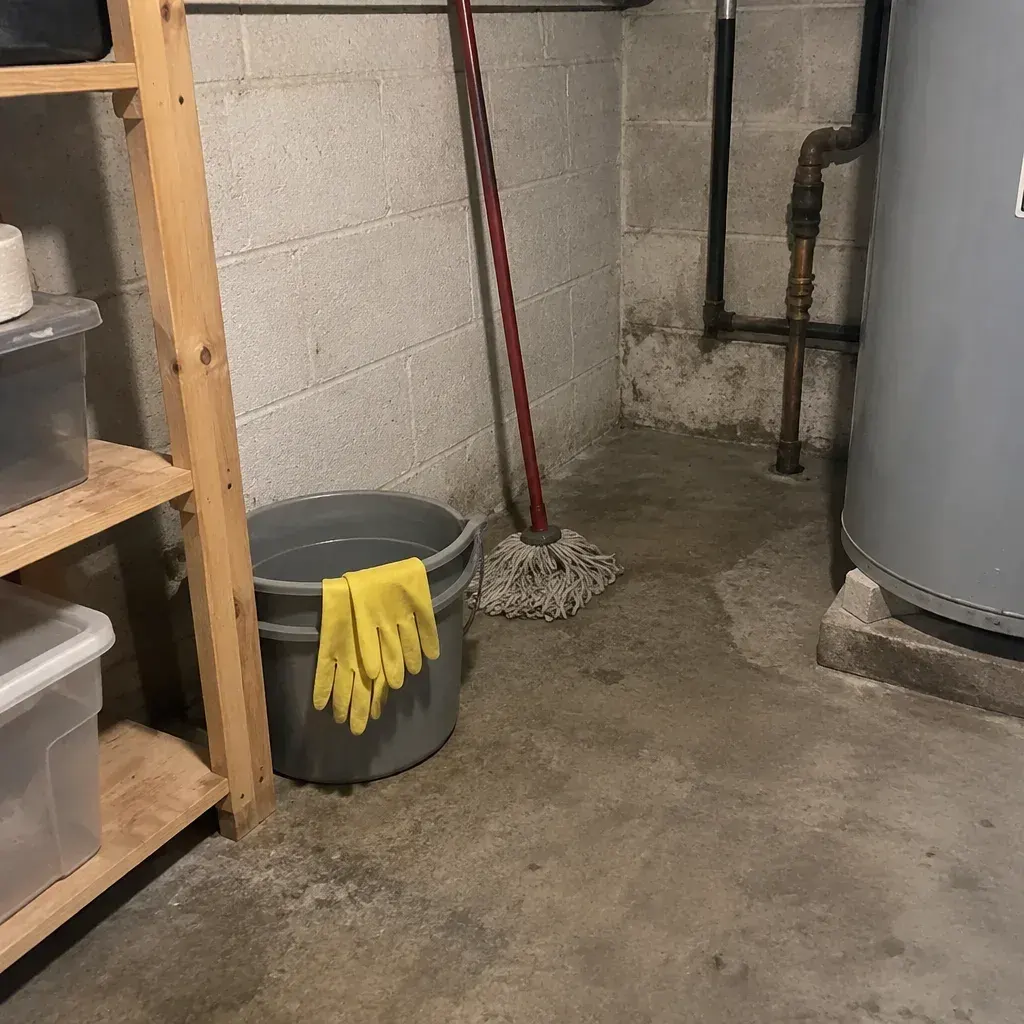
Rodent Inspection
See how inspection findings point toward activity, access, and sensible next steps.
View Rodent Inspection help in Lee's SummitGreenwood’s ZIP includes Lake Winnebago as a postal name; a house’s construction details matter more than its age alone.
Greenwood’s ZIP 64034 serves residential street addresses and also uses Lake Winnebago as a postal name; that label alone does not confirm a home’s municipal location or service coverage. The concern may involve ongoing activity, a possible entry route, or prevention before signs appear. Greenwood City Hall, U.S. A brief description of the home’s layout can help organize details for a service conversation. Construction details can affect where rodents gain access: a small gap at a utility opening, foundation joint, or poorly fitting door can matter. The available local information does not establish a common home age or building style, so the property’s details should guide the conversation.
Food storage, shelter, and unnoticed gaps can shape where rodents travel; an inspection connects household signs with possible access routes.
Lake Winnebago supports rodent activity around homes and businesses. Stored food, water, or sheltered spaces may attract rodents near a building. Gnawing or droppings near an entry point can help focus an inspection.
Changing temperatures can affect comfort during outdoor work, making seasonal conditions relevant beyond storm risks. Those broad patterns don’t provide local hail exposure, wind conditions, or freeze dates; check a current forecast when planning outdoor work. Seasonal inspections can also provide a baseline for comparing signs during future checks. Ask where those clues lead inside the structure; their location helps shape which control steps fit the property.
This table is for the inspection visit; ask whether later control work would be priced separately before approving a written scope.
| Service | What the Service May Include | Estimated cost |
|---|---|---|
| Rodent Inspection | Accessible-area inspection and findings summary | an estimated $80–$175 |
| Mouse Control | Inspection, selected devices, and placement review | an estimated $225–$425 |
| Rat Control | Inspection, control setup, sealing, safety review | an estimated $325–$575 |
| Rodent Trapping | Trap setup, placement, and scheduled checks | an estimated $350–$475 |
A familiar civic marker can help you describe the general part of the community tied to your inquiry.
See how inspection findings point toward activity, access, and sensible next steps.
View Rodent Inspection help in Lee's Summit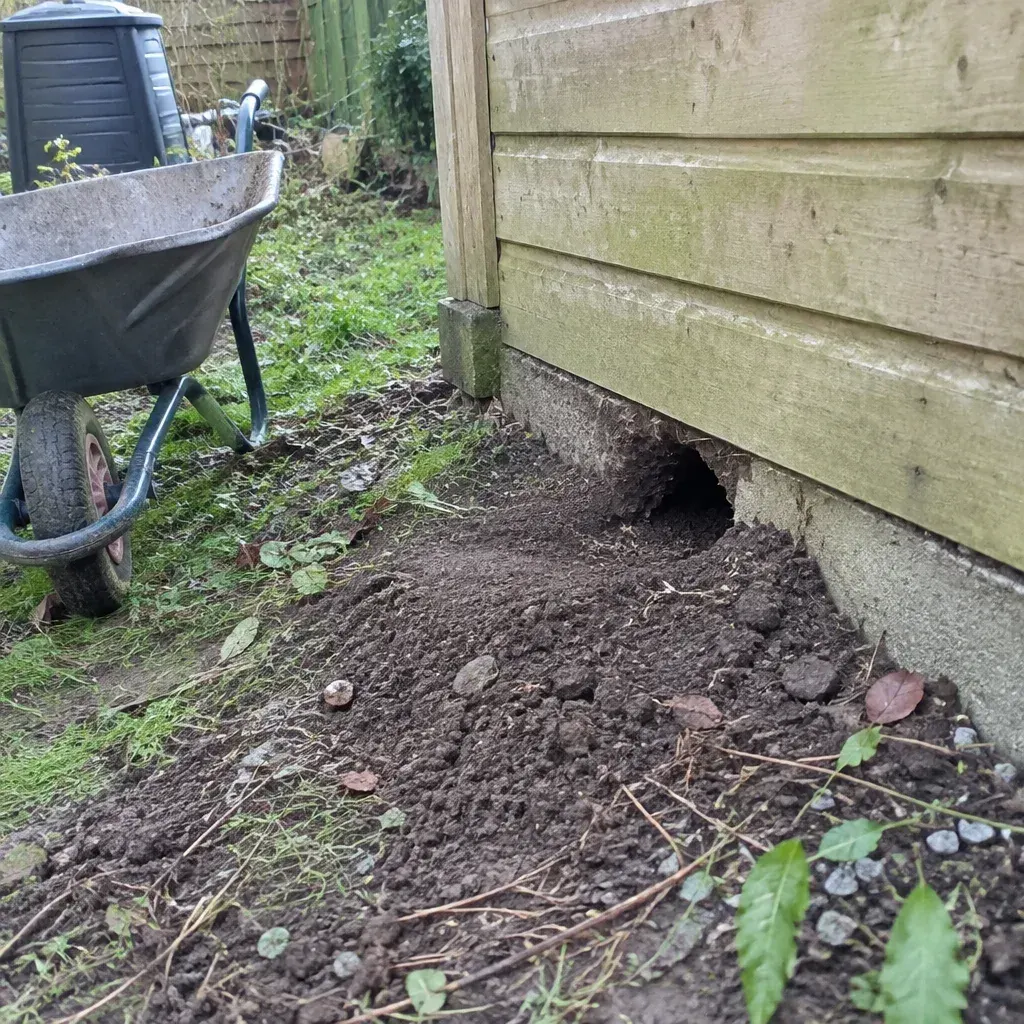
Rat control options shaped by activity areas, access, and treatment scope
View Rat Control help in Lee's Summit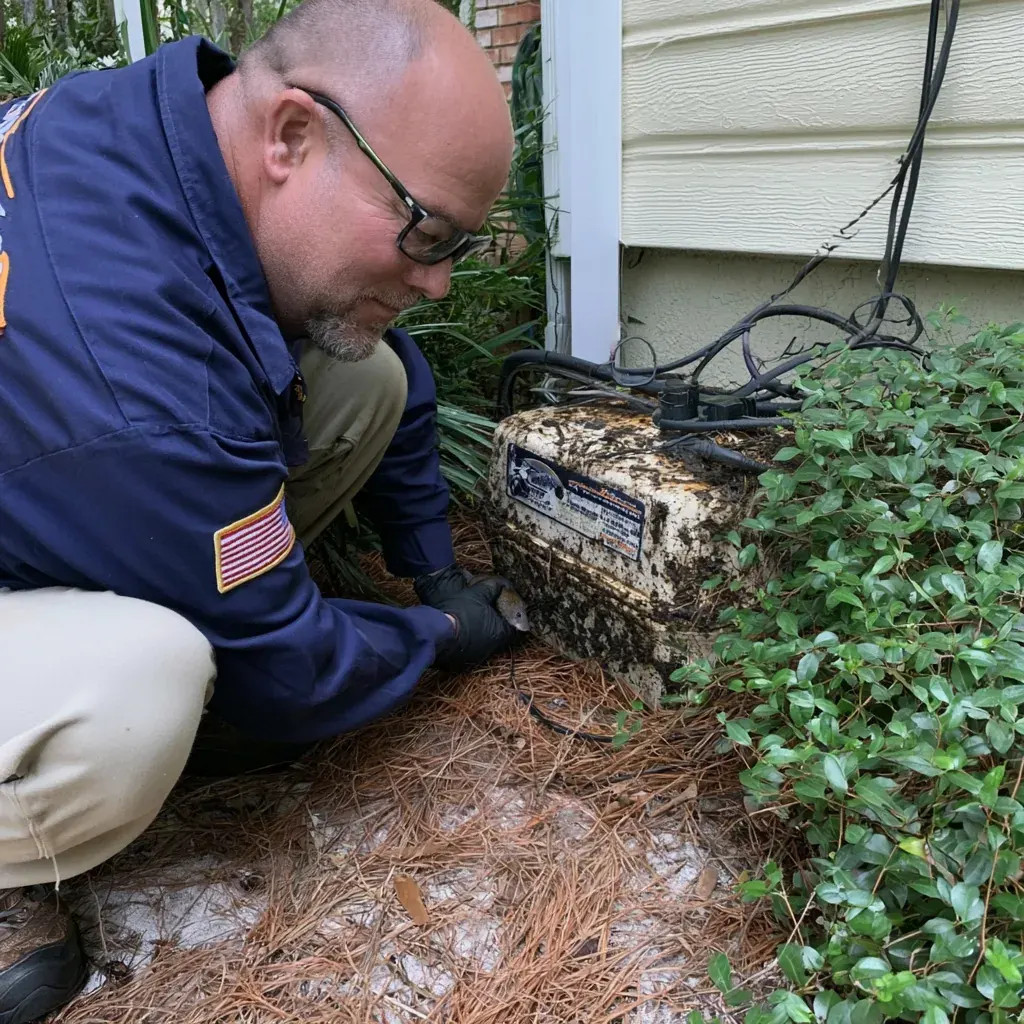
Mouse treatment for signs indoors, outdoors, and along likely entry routes.
View Mouse Control help in Lee's Summit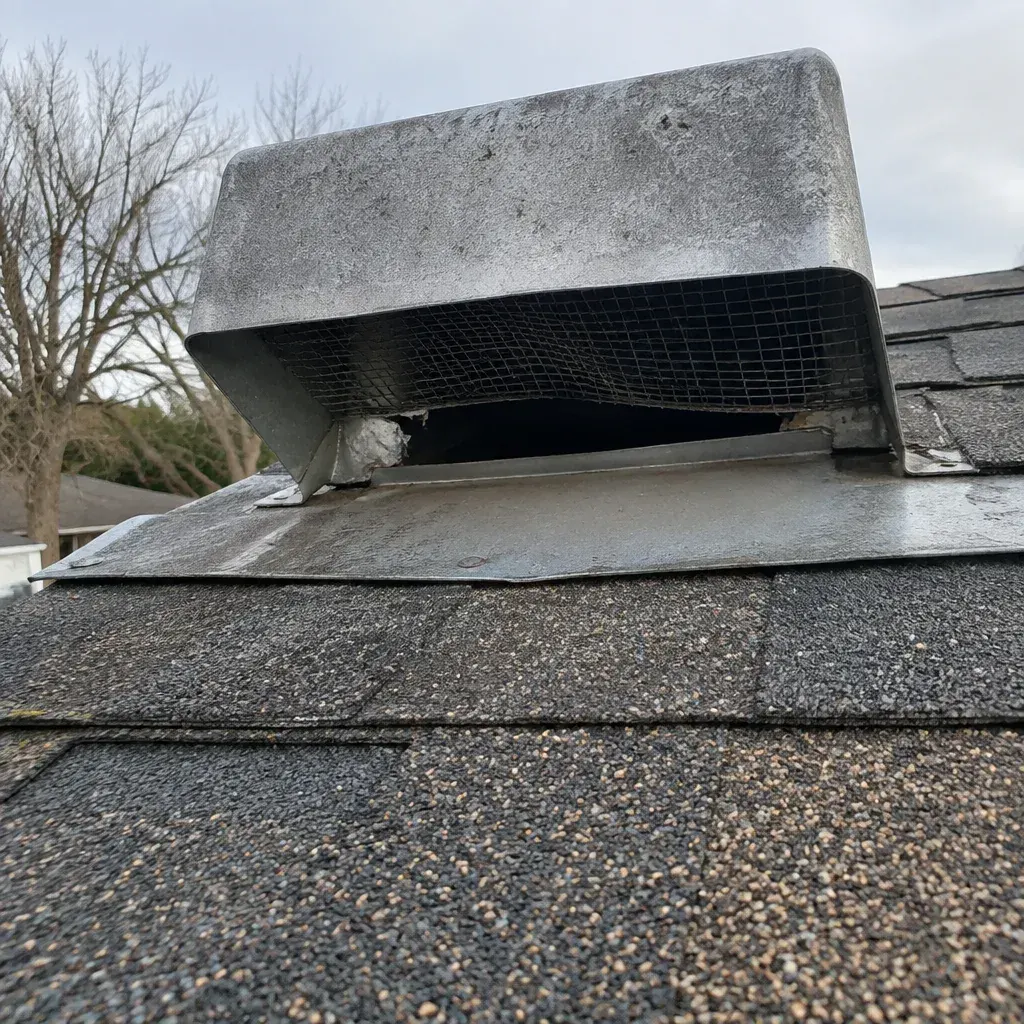
Traps set around rodent activity, then checked to guide next steps
View Rodent Trapping help in Lee's SummitMention whether you are seeking help with active signs, a possible entry route, or prevention. A nearby reference such as Greenwood City Hall or Lake Winnebago may help clarify which part of the postal area you mean. Ask what service options are available for that address and what information the provider needs before discussing next steps.
Age by itself does not identify a rodent route or determine what work a home needs. Older construction may have settled joints or altered utility openings, while newer work can also leave small gaps. Describe visible features and where signs appeared; the property’s actual condition matters more than its build date. No single housing age or construction type is established for Greenwood.
ZIP 64034 is associated with residential street delivery and accepts Lake Winnebago as an alternate postal name. Postal assignment does not prove that an address lies within Greenwood city limits, nor does it confirm that a particular provider serves it. Give the complete address area when you inquire and ask the provider to verify coverage for that property.
Tell the provider what you observed, where it occurred, and when you first noticed it. Droppings, gnawing, nesting scraps, or sounds can be useful clues, but they do not identify the animal on their own. If you find contaminated material, avoid stirring dust while cleaning. Describe any room or building feature nearby that could help explain where the signs appeared.
Record where fresh signs show up and when you notice them, then contact the provider who handled the service. Ask whether a follow-up visit or device check is part of the agreed plan and whether the findings call for a change. Check timing with that provider; it depends on the service arrangement and what is happening at your home.
Same-day in Greenwood means a provider may have an opening today; the pros we connect you with confirm availability and timing when you call. Treat active rodents in a room that cannot be closed off from household use as urgent. While arranging advice, leave droppings undisturbed rather than stirring up dust. A contained issue costs less as a booked daytime visit.
When comparing nearby service areas with Lee's Summit, use the property's address to check coverage; a postal place name alone may not settle the boundary. Tell the pros we connect you with where you found signs and ask whether an inspection can be arranged there. Find out whether the visit carries a charge, what an inspection would assess, and which options may be proposed afterward. Ask how later checks are handled if they are recommended. Activity near State Route 2 is useful context for locating a property, but the inspection—not the road name—guides the work.
Call (816) 586-5803