Restaurant Rodent Control
Lee's Summit Restaurant Service
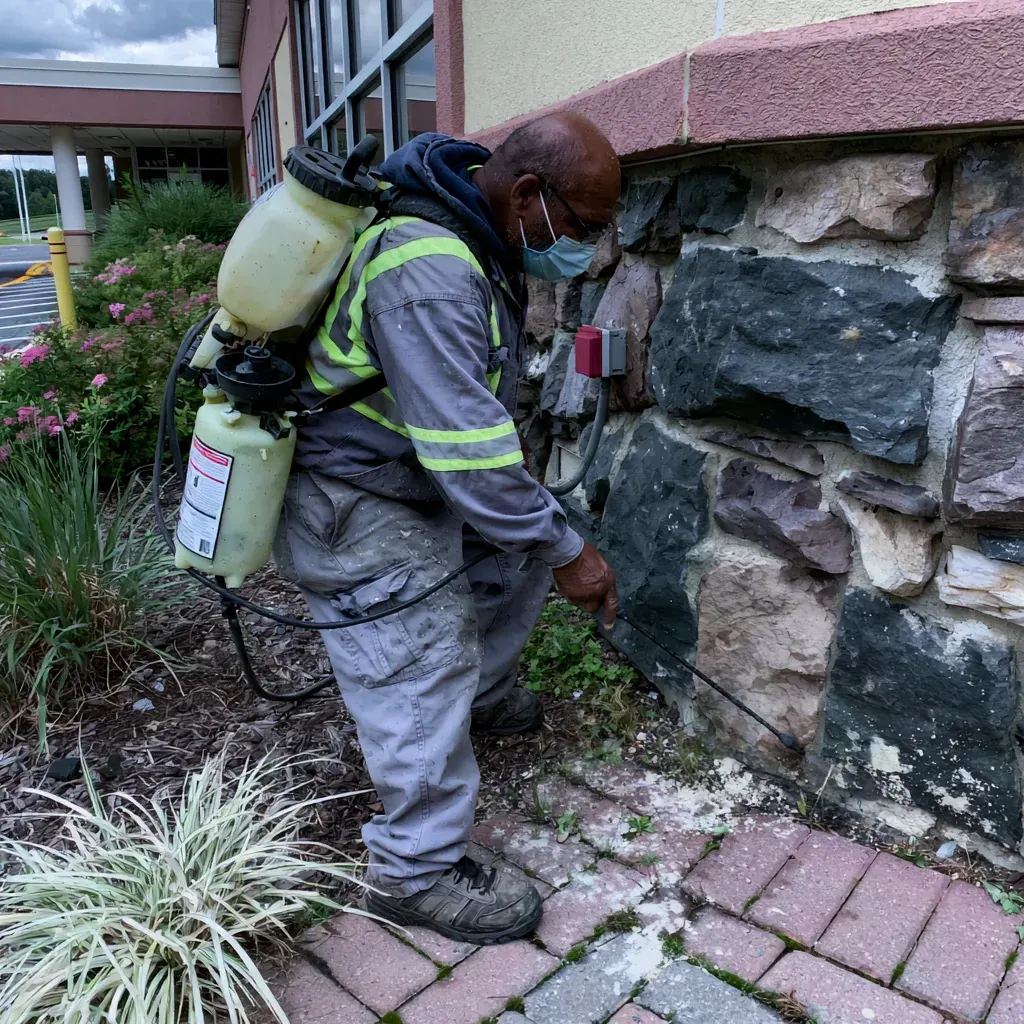
For Lee's Summit apartment managers, clear site records help coordinate resident access, shared spaces, repairs, and follow-up.
Property managers can keep dated reports by apartment and shared area, coordinate resident access, and track service visits, device checks, and open repairs. Arrange an assessment around the documented locations and the building's operating needs.
When signs are reported in several apartments, treat them as one building coordination issue until the locations and dates are understood. A dated log gives you a usable starting point: note when each concern came in, which unit or shared area it involves, and whether it is a resident report or a confirmed finding. In Lee's Summit, apartment rodent control works best as a managed sequence of communication, assessment, and follow-through. Keep the record factual; it helps the pros you connect you with understand where activity may be affecting the property.
Separate what someone observed from what a service visit established. A resident may report a sound, a sighting, or a concern about droppings; the provider's written findings belong in a different part of the record. That distinction prevents an unconfirmed report from being treated as a resolved issue or a confirmed one from disappearing among routine messages. For multifamily rodent control in Lee's Summit, preserve the date, location, and status of each entry so you can see what still needs attention.
Use a location key that matches how the building is managed. Unit numbers, building letters, floor names, and labels for laundry or refuse rooms should be clear to the person arranging entry and to the provider reading the log. A Lee's Summit property near Main Street, Ruskin Way Park, or Longview Lake still needs its own map and naming system; landmarks do not identify the affected room. Consistent labels make it easier to connect reports without assuming that separate accounts describe the same activity.
Shared rooms deserve a place in the same record as apartments, because a corridor, laundry room, or refuse area can affect how you coordinate building-wide work. Note the specific space and the people who manage access to it, such as maintenance staff or a site contact. In Lee's Summit, this helps the pros we connect you with understand which areas are part of the request. Food handling or storage may call for added coordination; describe those conditions rather than assuming one plan fits every building.
Compare entries by location and timing before treating repeat reports as separate problems. A run of concerns along one service corridor may call for a different follow-up conversation than reports scattered across unrelated floors; the record can show where to ask for more information. Mice in apartment buildings may leave signs in places residents do not regularly enter, so include staff observations when available. The point is to give the assessment a useful picture of the building, not to diagnose a route from reports alone.
| Unit / Space | Sign Noted | Date Logged |
|---|---|---|
| Report channel | Portal, phone, or office note | Shows how the information reached management |
| Building reference | Property, floor, and apartment identifier | Separates reports across sites and units |
| Site marker | Nearby landmark, such as Central Park | Distinguishes properties with similar names |
| Reported sign | Droppings, gnawing, nesting material, or sound | Gives the assessment useful context |
| Resident notice | Notice status and preferred contact route | Helps occupants prepare for planned access |
| Access window | Available time and entry arrangements | Lets management coordinate with occupants |
| Site operation | Laundry, refuse, or food-handling constraints | Helps schedule around building needs |
| Follow-up status | Assigned repair, review date, and new notes | Shows what remains open or has changed |
Access can determine whether an assessment covers the areas you meant to include. Before setting a visit, identify units that require notice, rooms needing a key or escort, and the person who can resolve a missed entry. Tell residents what access is being requested and how to raise a scheduling issue. For a Lee's Summit apartment building, these steps help the pros we connect you with work through occupied spaces while keeping your own communication record current.
Ask for a written summary that names the areas reviewed, the findings shared, and any next actions recommended. Attach it to the building record so a later manager can tell what the provider observed and what remains open. This is useful even when the recommended work is limited or no device placement is proposed. Keep apartment rodent control records with the property, rather than relying on an individual's inbox or memory to explain what was discussed.
Set the visit around the building's actual schedule. A service window may need to account for deliveries, cleaning, resident appointments, or restricted hours in a room used for food preparation. Share those limits before confirming access, and give the provider a contact who can handle changes on the day. Lee's Summit properties do not all run alike, so tell the pros we connect you with what applies at your site instead of assuming a standard operating pattern.
After the visit, record which requested areas were reached and which were unavailable. If a unit could not be entered, keep that gap visible and agree on how access will be arranged later; a general note that service occurred can hide an important omission. Include the visit date, work reported as completed, and any follow-up suggested. That gives the Lee's Summit property manager a clear account of the service without implying that every apartment or shared room was covered.
Give one staff member responsibility for maintaining the log and routing updates to the right people. That person can collect reports, pass access details to the provider, and check whether recommended maintenance has been assigned. The task may sit with a property manager or another designated contact, depending on the organization. A named owner keeps the record moving when staff schedules change and gives residents a consistent channel for updates about mice in apartment buildings.
Buildings differ in how residents, staff, and visitors use their shared spaces. If food is prepared or stored on site, tell the provider where and when those activities occur before discussing control measures; access and product precautions may need to account for the setting. For a Lee's Summit property, note any operating-hour restrictions or areas that cannot be left unattended. The pros we connect you with need those details to discuss workable arrangements, while the building's own procedures guide resident communication.
If you oversee more than one address, maintain a separate file for each building and keep the same basic fields in each. The records can use a common format, but reports, access limits, work summaries, and repairs should remain tied to the site where they occurred. This lets you compare whether follow-up is pending across your portfolio without confusing one property's details with another. Do not use a Lee's Summit entry to stand in for a different address or its operating conditions.
When a provider recommends a repair, connect that note to the maintenance request that will carry it forward. Record who accepted the task, its current status, and when the work is reported complete; then add any related follow-up from the provider. This creates a traceable handoff between rodent control and building maintenance. If a gap remains unrepaired or access is delayed, keep that fact visible so the next review can account for it rather than closing the record prematurely.
Start with the reports already in hand: date them, assign each to a unit or shared area, and mark what still needs confirmation. Then arrange a rodent inspection with the access plan, operating constraints, and building contact ready to share. Ask how findings and follow-up will be documented, and file the response with the relevant property record. For Lee's Summit managers, this gives the pros we connect you with a clearer basis for addressing activity across apartments and common spaces.
In Lee's Summit, rodent concerns in an apartment building can involve separate units, shared rooms, and the paths between them. A useful response keeps each report tied to its location, then coordinates access without treating every resident or building the same way. A site label near Main Street may help staff orient themselves, but the property address should anchor the record. The sections below cover how to gather reports, arrange entry around building operations, and carry repair notes and follow-up forward. A rodent inspection can then be planned around the areas and access needs documented.
Rodent-control steps depend on what an inspection finds; use these Jackson community links to see where you can ask the pros we connect you with about residential service, includingIndependence, Grandview and Lee's Summit. Before booking, clarify which service steps carry fees and whether a property beyond the coverage area can be served.
A food-service business is often quoted by appointment, with building size and planned visit frequency shaping the amount; $80–$175 is a guide. Ask whether the review covers storage and refuse areas, what control devices are proposed, whether access gaps are addressed, and how later monitoring is handled.For a business in Lee's Summit, inspected floor area, access, and device locations shape the supply and labor list, which affects the quote. When calling the pros we connect you with, describe the building's use, trouble spots, access limits, and whether you want sealing or return checks considered.The complete rodent-control bands appear in pricing guide, while commercial overview describes the structure of a scheduled program.
Lee's Summit Restaurant Service
Lee's Summit Warehouses
Office Rodent Control
Keep a dated entry for each concern and identify the unit or shared space, when it was reported, and what the reporter noticed. Record observations as reported rather than treating them as a confirmed cause. In Lee's Summit, a consistent format across buildings can help you compare notes while keeping each property's reports distinct.
Start by identifying the units and shared rooms that may need entry, then confirm who can arrange access and the practical time windows. Give residents a clear way to report new concerns and explain how they will receive scheduling updates. For Lee's Summit properties, include building operations in the assessment plan so access arrangements fit the site.
Keep the service date and locations with the property record, along with any device-check notes, new observations, and repair items still open. Assign each repair to a responsible person and record its status at the next review. This gives managers a usable history for Lee's Summit buildings without mixing apartment reports with shared-area work.
Identify food storage or handling rooms before work is arranged, and follow the facility's food safety procedures for those spaces. Secure exposed food and coordinate timing with the person responsible for the area. The provider can explain how any devices will be placed and checked, with product directions and site conditions guiding precautions.
Create a dated log by unit and shared area, then arrange an assessment with the pros we connect you with around access and building operations.
Call (816) 586-5803