Apartment Building Rodent Control
Main Street • Longview Lake
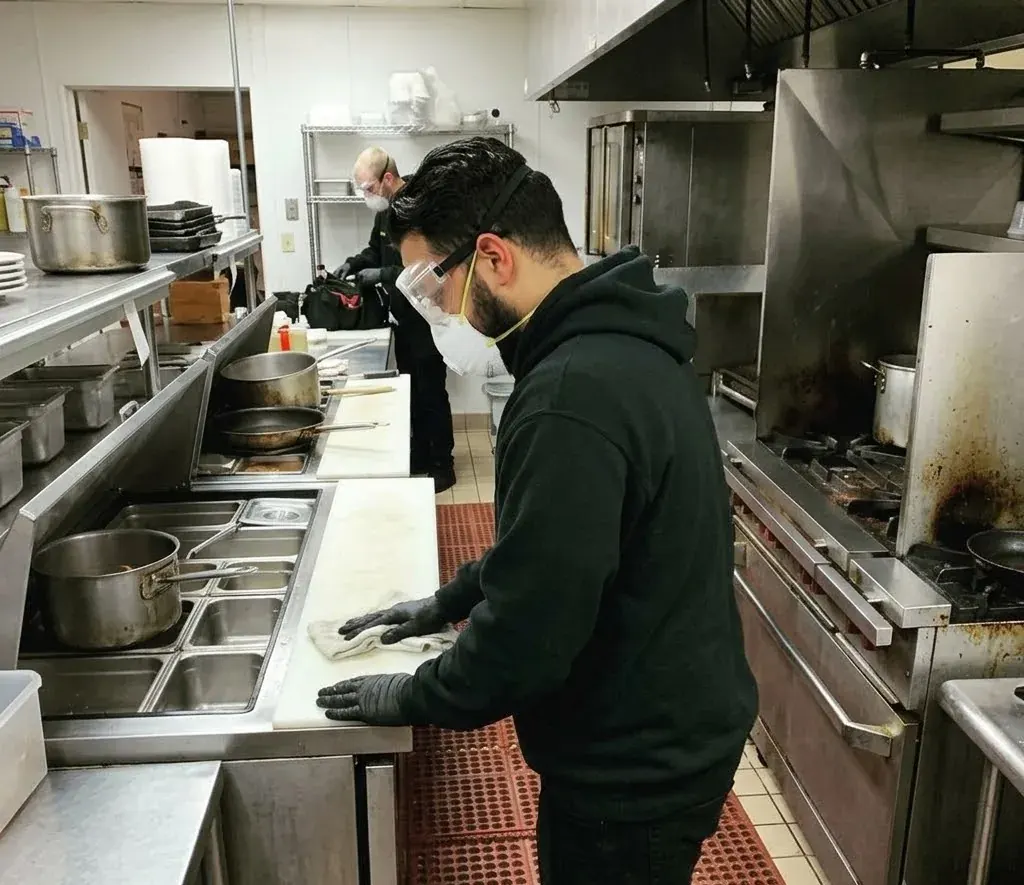
Protect food, correct access and sanitation issues, and use site records to guide restaurant rodent control.
A restaurant can reduce repeat rodent activity by protecting food, correcting sanitation and access problems, and keeping clear site records. Arrange an inspection of affected work areas, then use follow-up checks to see whether activity has changed and what still needs attention.
Restaurant rodent control works best when the response follows what is happening inside the business: where signs appear, what staff can safely protect, and which conditions let activity continue. In Lee's Summit, a location note should identify the restaurant address and affected room; broad reference points such as Central Park, Grounds Park, or Railroad Lake do not tell the pros we connect you with where to look indoors. Start with observations and operating constraints, then use a site-specific assessment to connect them to practical corrections and follow-up.
A useful inspection follows how food and supplies move through the restaurant. The kitchen, dry storage, walk-in areas, dishwashing space, refuse area, and service corridors can each reveal a different part of the problem. Note where staff saw a mouse, found droppings, or noticed gnawing, and describe nearby shelves, equipment, or wall openings. In Lee's Summit, those details give the assessment a clear path through the premises instead of treating the dining room as the whole site.
Keep people and food clear of a suspected contamination area until staff can handle it safely. If activity appears during service in Lee's Summit, identify who can pause work or restrict access, and protect exposed ingredients and utensils before operations resume there. The response should fit the room and the shift: a kitchen station, storage aisle, and dining area have different uses. Tell the pros we connect you with when each space is available, so control steps can be planned around actual food handling.
A sighting report becomes more useful when it records what happened, where, and under what conditions. Staff can note the room, time, sign observed, nearby food or waste, and whether the area was active or closed. In Lee's Summit, use the restaurant's own room names consistently so a later report can be compared with the first. A short factual entry helps separate a confirmed observation from a guess about where rodents entered or traveled.
Access can change between preparation, deliveries, closing, and cleaning. Record which doors or rooms are locked, who can open them, and when a quiet inspection is possible; mention equipment or stored goods that limit visibility. For a Lee's Summit restaurant, this information helps the pros we connect you with see the relevant areas without disrupting a working kitchen. Update the notes if hours or access arrangements change, since an earlier plan may no longer match the shift.
| Area | What You Find | Control Step |
|---|---|---|
| Site cue | Street address and useful landmark | Central Park, Woods Chapel Park, or Blue Springs Lake, when relevant |
| Activity zone | Kitchen edge, dry storage, receiving door | Note where signs appear and where food moves |
| Affected locations | Droppings, gnawing, nesting material, or sounds | Inspection helps assess what the signs indicate |
| Food exposure | Open ingredients, crumbs, damaged packaging | Protect exposed food and flag items for review |
| Staff access | Shift changes, deliveries, cleaning access | Note when doors stay open and who enters |
| Waste area | Bins, staging spot, removal path | Track spills or signs around waste handling |
| Gap repairs | Gaps near pipes, doors, or foundations | Inspection findings can guide sealing and prevention |
| Change over time | Device condition, new signs, repaired gaps | Review findings to see whether the plan needs adjustment |
Food and refuse handling can leave rodents an easy source of food even after an entry route is addressed. Keep ingredients in sealed containers, clear crumbs from under equipment, and avoid leaving waste or recycling accessible between removals. In Lee's Summit, note the specific condition and its location rather than writing only “sanitation issue.” These corrections can reduce available food, while inspection and repair address how rodents may be getting indoors; one does not replace the other.
Droppings or urine on a food-contact surface call for a safe cleanup before that surface returns to use. Do not dry sweep or vacuum contaminated material, since that can send dust into the air. Follow the restaurant's food-safety procedures for discarding affected food and cleaning the area, and record what was affected and what staff did. In Lee's Summit, keep this cleanup record distinct from a rodent sighting so the service history shows both the activity and the response.
Look closely where pipes, utility lines, doors, and building foundations meet the exterior or pass through interior walls. A narrow opening can provide a route inside, and a gap behind equipment may be easy to miss during routine cleaning. In Lee's Summit, mark the exact location and describe what is visible; the pros we connect you with can assess whether it is a plausible access point. Closing confirmed gaps can support trapping or other control measures and help reduce repeat entry.
A written service record should tie observations to the restaurant areas they concern and describe the corrective work discussed. Keep the date of the report, room name, finding, agreed action, and person responsible together so a manager can see what remains open. In Lee's Summit, retain the record where the staff who manage maintenance and food operations can find it. Clear notes help the next review pick up from the actual site history rather than relying on memory across shifts.
If a plan includes traps or bait stations, the record should show where each device is placed and who is responsible for checking it. Placement needs to account for food preparation, cleaning, and access by staff; devices should not create a new hazard in a working area. Follow product label directions and ask the provider how monitoring will be handled. For a Lee's Summit restaurant, keep device notes with the service record so staff can report a displaced or damaged unit promptly.
Rodent follow-up monitoring checks whether signs return in the areas identified earlier and whether control measures need attention. Use the same room labels, then record fresh findings, quiet areas, and any change in food handling or access conditions. In Lee's Summit, a repeat sign near a prior opening may call for checking whether the repair held; a report elsewhere may point to a different route. The service plan sets the timing, while comparable notes make each check more useful.
Restaurants with more than one address may share a reporting form, but each location needs its own findings and service history. A manager can compare recurring issues across sites, such as waste handling or a maintenance delay, without assuming the buildings have the same access points. In Lee's Summit, keep the local address and room details attached to each report. This lets shared procedures guide staff while leaving the corrective work tied to conditions at that restaurant.
Before requesting an assessment, gather sighting notes, affected rooms, operating hours, and access needs for the Lee's Summit restaurant. Add relevant service records, sanitation corrections, and maintenance notes about openings or repairs. If staff saw activity near stored food or waste, describe the location and what was present. This gives the pros we connect you with a practical starting point for evaluating the site and discussing which areas need attention first.
Assign a clear handoff for each kind of task: who reports a new sign, who protects or cleans an affected area, who arranges access, and who confirms a repair is complete. In a Lee's Summit restaurant, the responsible person may change with the shift, so place the current contact and open actions where the next manager can find them. When the assessment or follow-up identifies a concern, staff can then pass along the finding and track whether the agreed correction happened.
Rodent follow-up monitoring is the set of return checks used to see whether activity has changed and whether a control device or repair needs attention. In Lee's Summit, the scope should reflect the restaurant’s layout: a check of a dry store may answer a different question than one near the receiving door or waste area. Ask what observations will be recorded and which conditions could prompt another check. For a business group serving Greenwood as well, keep each location’s findings tied to its own address and work history.
Rodent-control steps depend on what an inspection finds; use these Jackson community links to see where you can ask the pros we connect you with about residential service, includingLee's Summit, Blue Springs and Independence. Find out whether monitoring after the first visit is included, and what added visit or travel fees may apply.
A food-service business is often quoted by appointment, with building size and planned visit frequency shaping the amount; $80–$175 is a guide. Ask whether the review covers storage and refuse areas, what control devices are proposed, whether access gaps are addressed, and how later monitoring is handled.For a business in Lee's Summit, inspected floor area, access, and device locations shape the supply and labor list, which affects the quote. When calling the pros we connect you with, describe the building's use, trouble spots, access limits, and whether you want sealing or return checks considered.The complete rodent-control bands appear in pricing guide, while commercial overview describes the structure of a scheduled program.
Main Street • Longview Lake
Office Rodent Control
Lee's Summit Warehouses
Keep suspect food or packaging out of use until the restaurant’s food-safety procedures determine how it should be handled. Record what was affected and where it was stored, then tell the manager responsible for the area. In Lee's Summit, that information can help an inspection trace whether activity is near storage, receiving, or food preparation. Do not sweep or disturb droppings; contaminated areas need careful cleanup that avoids raising dust.
Plan access around food preparation, deliveries, cleaning, and service so the inspection can reach the relevant rooms without disrupting active work. Tell the provider which doors or storage areas need a manager or key, and when staff can move or cover nearby items. A restaurant in Lee's Summit can also identify quiet access windows for receiving areas, including those serving deliveries from State Route 2. Keep employees clear of any devices and follow site instructions.
Reduce what rodents can reach between tasks: keep ingredients closed, clear food residue from equipment, and move waste out on the restaurant’s normal schedule. Check where crumbs collect under fixed equipment, since wiping the visible counter may leave food below it. These routines support control, but they cannot close a gap around a pipe or door. If you find droppings, avoid stirring up dust during cleanup and follow appropriate precautions.
When signs return, compare the location and timing with earlier notes, then check whether a repair, cleaning change, or access limit is still outstanding. Ask for follow-up monitoring to focus on the affected route and nearby food, storage, or waste areas. In a group operating around Lee's Summit and Greenwood, retain a separate history for each address; similar layouts do not prove the same entry point or cause.
Gather sighting notes, affected rooms, service hours, and access limits before requesting a site-specific assessment from the pros we connect you with.
Call (816) 586-5803