Look for Signs Before Moving Items
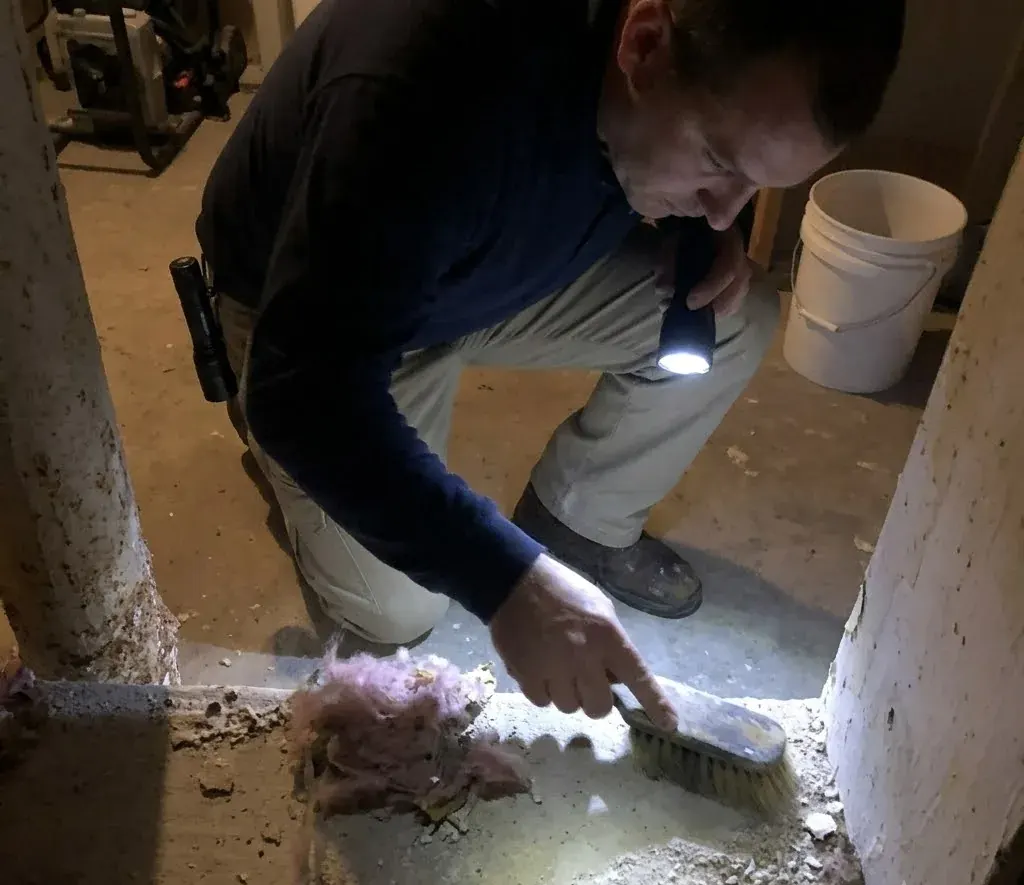
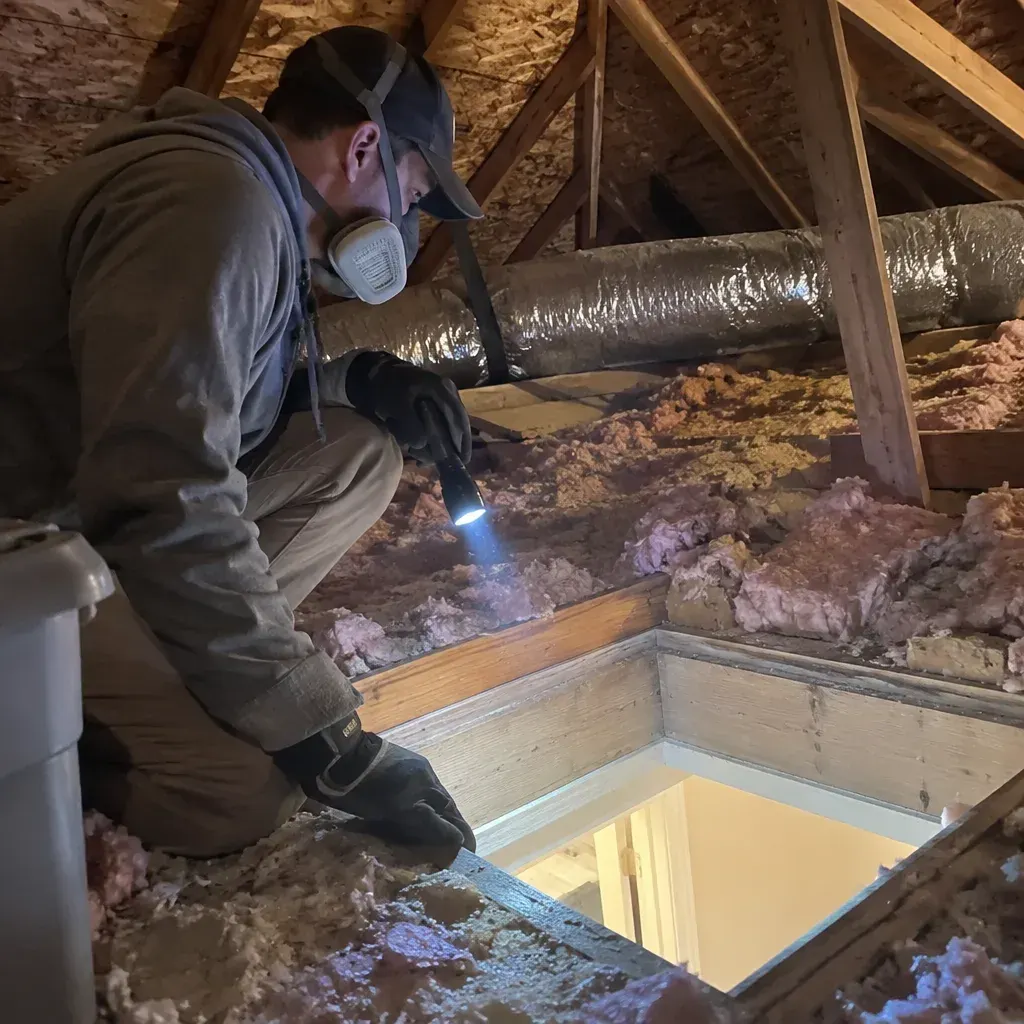
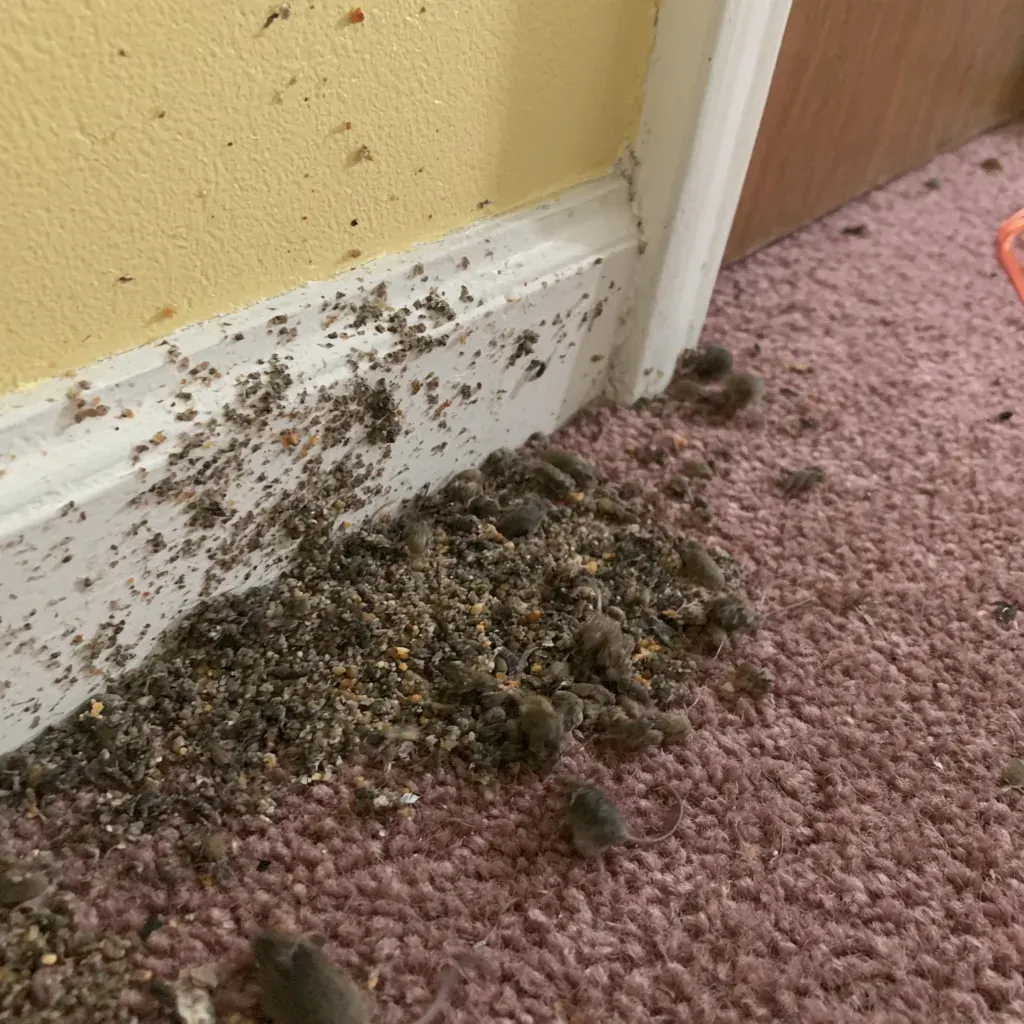
Start at the shed entrance and look before shifting anything. In Lee's Summit, whether your shed is near Main Street, Recreation Park, or Longview Lake, use the same order: check visible surfaces, note likely resources and access areas, then decide whether the signs call for an inspection. Look for droppings, chewed edges, nesting scraps, or sounds. If you find signs, record where they are and leave cleanup or control decisions until you have finished the checks.
Next, check what a mouse or rat could reach for food. Look at open feed, seed, or other edible supplies, then note crumbs or torn packaging on the floor. In Lee's Summit, move usable supplies into sturdy containers with secure lids and clear loose food from the shed. This reduces an easy resource, but it does not address access or confirm whether rodents remain, so keep following the checklist.
Check Shed Supplies and Storage
Check for water and sheltered places inside the building. Look for a leak, damp patch, or container holding water; then note dense piles and unused fabric or paper where activity could be overlooked. In Lee's Summit, remove items you no longer need and leave stored belongings arranged so you can see the floor. If a damp area has an unresolved source, include that detail in your notes for an inspection.
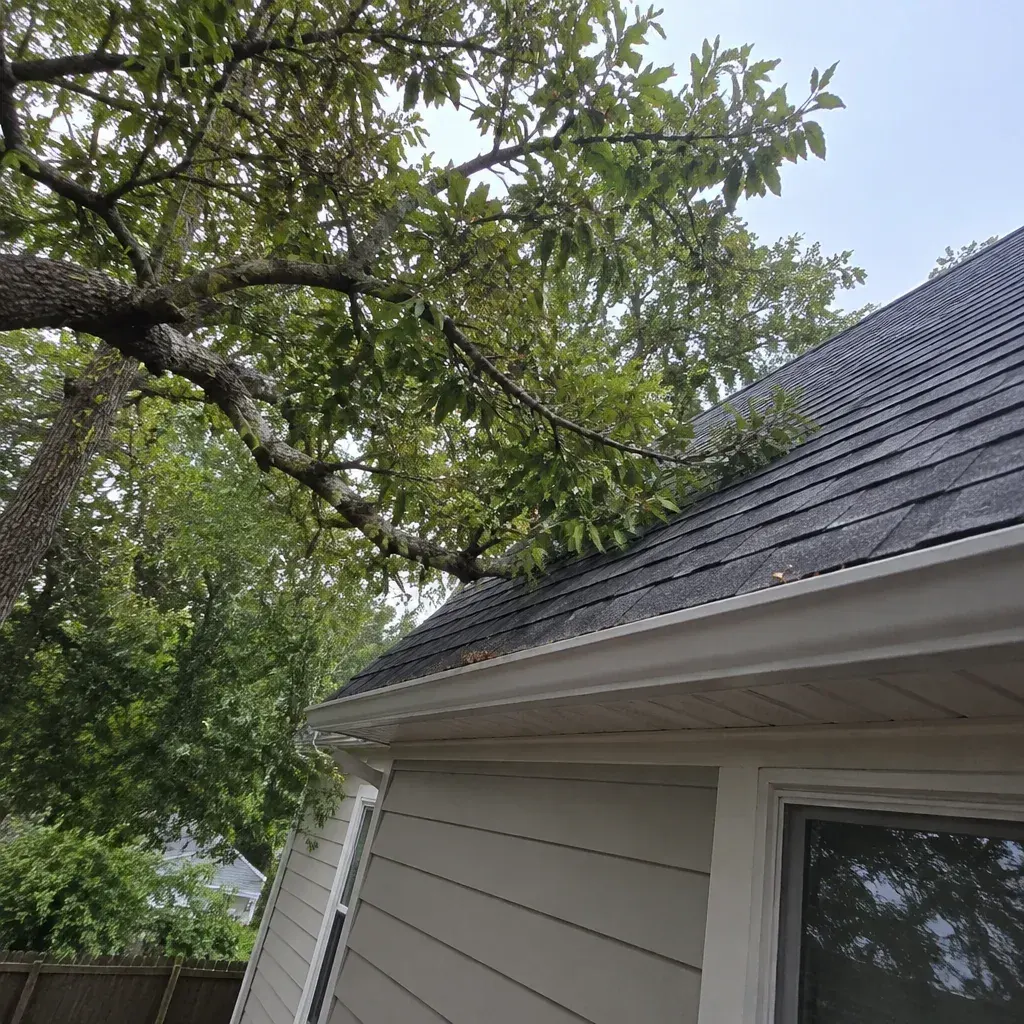
Now look along the shed's lower edges and around door frames, pipe routes, and foundation seams for openings or worn spots. Mice can use a narrow gap, while rats need a larger passage. In Lee's Summit, note each location without dismantling the shed or attempting repairs as part of this check. A list of possible access points gives an inspector useful places to assess alongside the signs you found.
Note Possible Access and Activity
Compare the locations you noted and check whether signs look fresh or undisturbed. A recent sound or new droppings may suggest continued use; older material alone cannot tell you when activity occurred. In Lee's Summit, keep a simple record of what you saw and when, including whether the evidence is near supplies, stored items, or an opening. That makes the next decision about an inspection more specific.
If signs continue after you have reduced accessible food and cleared obstructed areas, consider an inspection. The pros we connect you with can assess the shed, look for rat or mouse activity, and explain control options based on what they find. In Lee's Summit, ask whether the plan includes traps or bait, attention to possible access points, and how devices will be checked. The findings determine which steps fit.
Ask About Treatment and Follow-Up
Ask what signs will show whether the bait is working. In Lee's Summit, keep them away from placed products as the label directs. Do not use bait in a way that conflicts with its instructions. If the proposed placement or safety directions are unclear, pause and ask the provider to explain them before treatment proceeds.
For a shed in Lee's Summit, begin at the doorway and scan the floor and shelves before shifting stored items. If you see droppings or nesting material, avoid stirring up dust; note where it is. Next, check packages for damage and look for accessible food, water, or sheltered spots. Then inspect door edges, pipe openings, and wall seams for possible access. Use the same sequence for mice in a shed near State Route 2 or Lake Winnebago. If signs persist, consider an inspection from the pros we connect you with.
Dealing with rodent activity in your home?
Fresh droppings, gnawing, shredded nesting scraps, or sounds behind a wall can prompt questions, but they do not show where rodents enter. If you find droppings, avoid stirring dust while cleaning. Store food in closed containers while you sort out next steps. Ask whether they serve your address, when a visit may be available, and what charges apply before arranging a visit.