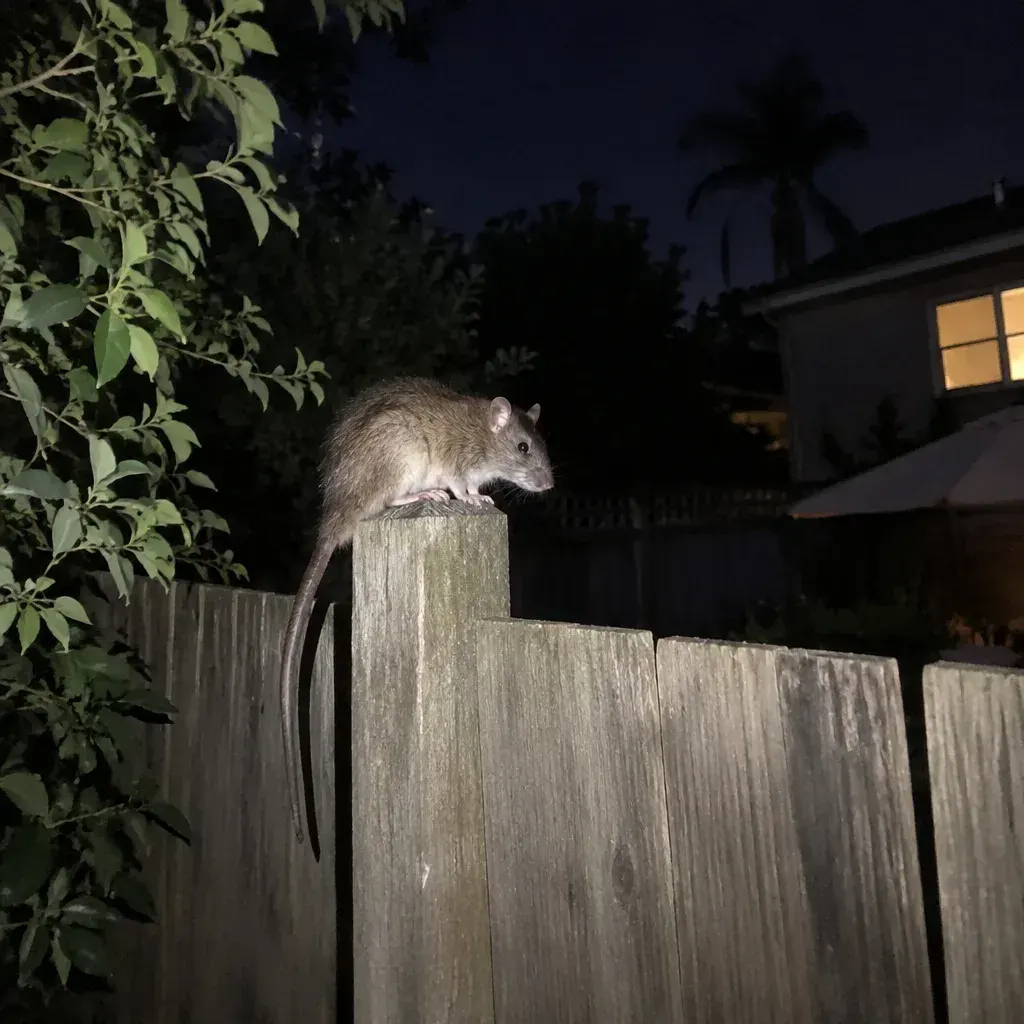
How Yard Conditions Connect To Indoor Access
Lee's Summit includes varied residential settings, and a home's roof edges, attic access, and attached structures determine what an inspection can reach. U.S. Highway 169 is one local point of reference, but a nearby road does not establish rodent activity at a property.
Properties near Longview Lake and around Woods Chapel Park still need an assessment based on their own openings and signs. In Lee's Summit, roof height, access, and building layout can change the inspection scope; location alone does not show whether roof rats are present.
For a home or business in Lee's Summit or another part of Jackson County, an inquiry is a way to ask about service at that location. Each provider draws its own boundaries; give the address and ask if that provider covers it.
Why Control Methods Can Differ
- TRACE
- Droppings, gnawing, or sounds near upper spaces can help focus an inspection, but none confirms roof rats by itself.
- CLIMB
- An inspection can trace accessible attic spaces and roof edges toward possible elevated openings without requiring you to climb.
- OPENINGS
- Droppings, gnaw marks, or nesting material can provide other signs to discuss during an inspection.
- CHOICES
- Sealing a confirmed opening may limit access; monitoring can help assess whether activity remains inside.
- REVIEW
- Whether your property is by Main Street or Longview Lake, ask how the pros we connect you with will trace activity, assess upper access, and plan follow-up.
- CLEANUP SAFETY
- Seasonal weather can make roof-edge access unsafe or delay inspection. In Lee's Summit, ask whether conditions affect access to elevated openings and how the provider will assess them safely; weather alone does not establish roof rat activity.
- COST BASIS
- an estimated $325–$575
Marks May Have Different Sources
Weather-related roof wear can resemble gnaw damage when edges or trim deteriorate. Nearby droppings or other signs may help an inspector assess whether rodents are involved. Compare the mark with nearby evidence and the material's condition. Rodent gnawing may leave localized damage along a travel route; broad deterioration without nearby signs may have another cause. A safe inspection can assess the surface and surrounding openings.
Blocking Access at Vulnerable Openings
Keep a record of when signs appear to help distinguish recurring activity from isolated evidence. They assess signs and possible routes before proposing control. If a roof edge or confined area cannot be reached safely, ask how that limit affects the inspection and plan.
Depending on findings, the plan may use traps or bait where activity can be addressed and devices checked, plus sealing at identified entry points. Traps and bait do not close openings; sealing alone does not remove rodents already inside. Record changes in signs between checks so they can be considered when reviewing the plan.
If entry gaps are found and can be addressed along with control, one visit may cover the immediate tasks. Return checks may be useful when openings cannot yet be closed, activity continues, or you need to see whether changes to access points and device placement affect the signs.
SERVICE AT THE DOOR VERSUS EVIDENCE GATHERED LATER
| Safety Precautions |
Read the Signs |
|---|
| Rodent signs at an initial stage | Label direction compliance |
| Scratching sounds persist around treated rooms | Trap options |
| Fresh signs beside more than one unclosed seam | Entry barriers and device oversight |
SAFE USE NOTESA clear service description can distinguish inspection, exclusion, and pesticide application; ask which steps are proposed and what each is intended to address. If pesticides are proposed, ask what is being applied and how label directions will be followed. Verify any provider credential independently.
Ragged Edges from Rodent Chewing
Roof rats moving through upper spaces can gnaw building materials and damage stored goods. Droppings or urine may also contaminate insulation or belongings, leaving cleanup as well as repair. If activity is suspected, have the affected area assessed before disturbing debris or replacing damaged material.
Move Firewood Away From Entryways
From indoors, note when scratching occurs and which ceiling or upper wall it seems to come from; photograph visible signs from a safe spot. In Lee's Summit, share those notes with the pros we connect you with without approaching the roofline. Read the label for any product they identify and ask what precautions apply before placement. Leave elevated inspections and control-device placement to the provider.
Limiting Household Access to Bait
Droppings and urine can carry germs. Do not sweep or vacuum contaminated material in a way that stirs up dust; keep people and pets clear of affected areas and any placed products. If bait is proposed, ask about its location and precautions, and follow the product label. Avoid entering tight or unsafe attic spaces to investigate signs.
Which Visit Details Affect the Final Charge?
Ask the pros we connect you with to outline the recommended steps and explain how the work included in that plan affects the estimate.A guide range can orient your budget for inspection and control tasks identified from the findings, while repairs and later visits enter the total only by agreement. In Lee's Summit, describe what you have seen near Grounds Park or Rotary Park to the pros we connect you with; confirm the visit charge and precise work directly before booking.Compare the bands in pricing guide, then consult Rat Control to see how inspection findings can shape control steps.